
Crop Protection
FVGC is calling for timely access to effective crop protection tools and decision-making that reflects the realities of Canadian fruit and vegetable production.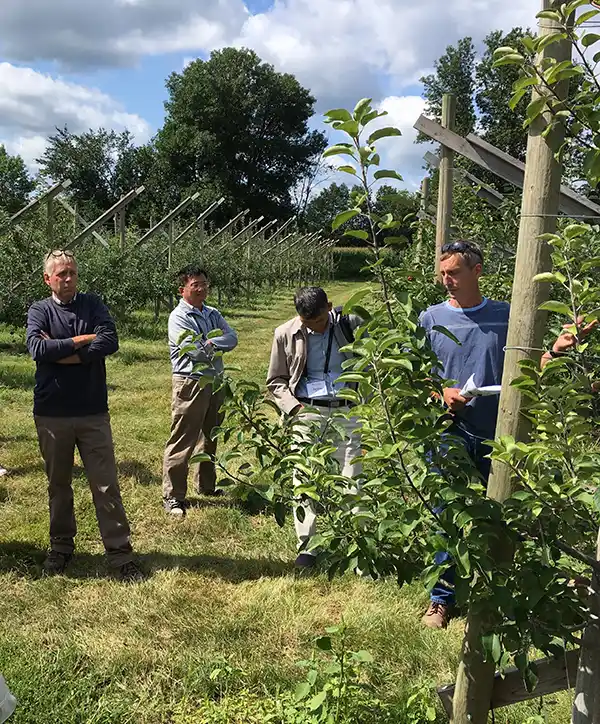
Growers need timely access to effective crop protection tools to manage pests, diseases, weeds, invasive species, and extreme weather pressures.
Without effective tools, Canada risks reduced crop yield and quality. Reduced crop protection access can also lead to higher food losses, greater dependence on imports, and weakened domestic food security.
Supporting timely, practical decision-making
The federal government has committed to considering food security in certain regulatory decisions, including decisions related to food inspection and pest management. This is an important step. To be meaningful, this commitment must be supported by clear direction, a practical understanding of Canadian fruit and vegetable production, and adequate resources to ensure decisions reflect real-world impacts on growers, domestic food production, and access to Canadian-grown food.
Crop protection decision-making must reflect the realities of horticulture across diverse Canadian growing environments.
Restoring capacity to AAFC’s Minor Use Pesticide Program is essential to timely access for horticulture crops. PRD decisions must be risk-based, practical, and grounded in real-world evidence, including actual use patterns, residue data, and grower input.
FVGC recommends the Government of Canada:
- Increase the Minor Use Pesticide Program budget by $7 million annually, restoring the program’s capacity to Growing Forward 2008–2013 levels.
- Support timely access to crop protection tools for fruit and vegetable crops.
- Direct PRD to prioritize resources for registration applications, including minor-use registrations.
- Ensure PRD service standards are met so growers can access new tools on time.
- Ensure PRD decision-making reflects real-world evidence, including actual use patterns, residue data, and grower input.
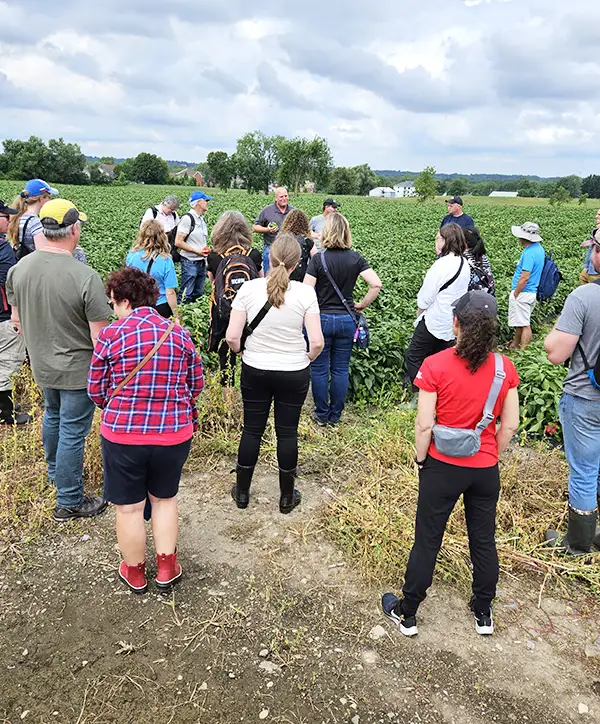
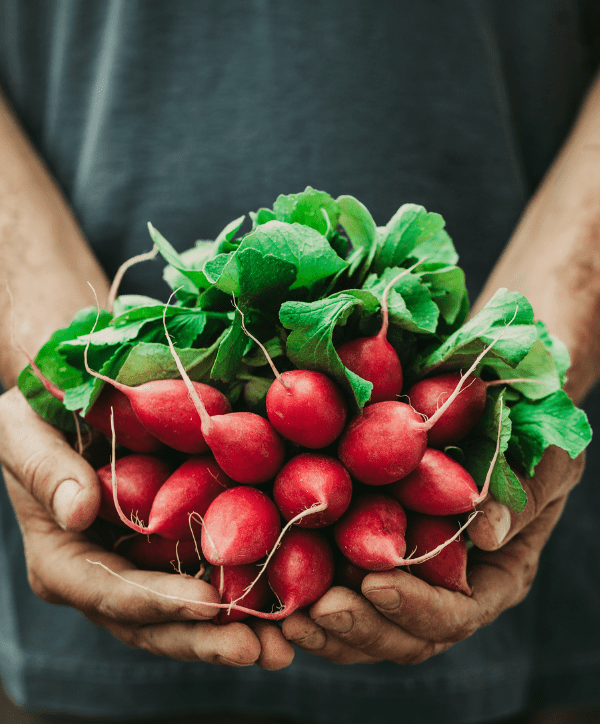
A Food Lens for Crop Protection Policy
Crop protection policy affects yield, quality, food losses, import dependence, and domestic food security. Applying a food lens means ensuring regulatory decisions reflect real-world production conditions and support timely access to the tools growers need to protect Canadian-grown fruit and vegetables.
For more information
please contact us by submitting this form.